The Art of Bitcoin: How Crypto is Inspiring Creative Minds
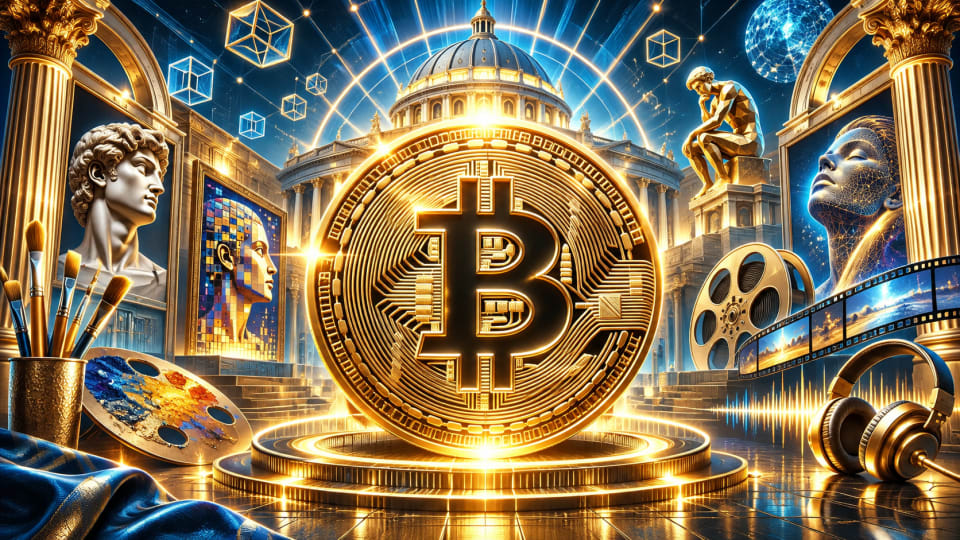
Bitcoin has transcended its original purpose as a decentralized digital currency, weaving itself into the fabric of culture, art, and creativity. Artists and visionaries worldwide are drawing inspiration from Bitcoin’s ethos of decentralization, transparency, and disruption. The convergence of cryptocurrency and creative expression is forging a new frontier in the arts, enabling unprecedented opportunities and transforming how art is created, shared, and appreciated. This evolution signals a decentralized artistic renaissance, powered by blockchain technology.
Introduction: The Intersection of Art and Cryptocurrency
The world of cryptocurrency has rapidly expanded beyond the financial sector, permeating cultural and creative domains. Bitcoin, as the first and most iconic cryptocurrency, has become a symbol of revolution and freedom. Artists across mediums are exploring its potential, integrating its principles into their work to create thought-provoking pieces.
How Bitcoin Revolutionized Digital Transactions
Bitcoin's advent in 2009 marked a paradigm shift in the way we perceive and execute digital transactions. It eliminated intermediaries, enabling peer-to-peer exchanges that were fast, secure, and transparent. This breakthrough resonated with the artistic community, which often values autonomy and freedom from traditional gatekeepers like galleries and publishers.
Digital transactions powered by Bitcoin also provided a means for artists to monetize their work directly, giving rise to innovations like NFTs. This evolution has democratized access to art markets, ensuring artists receive fair compensation for their creations.
The Growing Role of Bitcoin in Cultural Spheres
Bitcoin has become a cultural phenomenon, symbolizing rebellion against centralized authority. Its aesthetic—logos, blockchain code, and decentralized ideals—has found a place in music, literature, fashion, and even activism. Artists are channeling Bitcoin’s ethos to craft works that resonate with a new generation of enthusiasts.
From murals showcasing Bitcoin’s disruptive power to fashion collections inspired by blockchain patterns, the cryptocurrency has become a muse for countless creatives.
Crypto as a Catalyst for Artistic Expression
Cryptocurrency has emerged as a transformative force in the art world, reshaping how art is conceptualized, produced, and distributed. By leveraging blockchain technology, artists are exploring new mediums and themes that were previously unimaginable. The decentralization of art markets has empowered creators, fostering a sense of independence and innovation.
New Mediums for Creativity: Blockchain and NFTs
Blockchain technology introduced a groundbreaking medium for creativity: Non-Fungible Tokens (NFTs). NFTs enable artists to tokenize their work, granting it authenticity and ownership on the blockchain. This innovation has given rise to entirely digital artworks that can be traded and owned just like physical art.
Artists are now creating immersive experiences, 3D sculptures, and even interactive installations using blockchain technology. NFTs also ensure creators receive royalties on secondary sales, fostering a sustainable ecosystem for artists worldwide.
Decentralization as a Philosophical Muse
The philosophy of decentralization intrinsic to Bitcoin resonates deeply with artists. This principle challenges traditional power structures, encouraging themes of freedom, equality, and resistance. Many artists use Bitcoin and blockchain as metaphors for societal transformation, producing works that critique centralized systems.
From abstract paintings to digital animations, decentralization inspires artists to push creative boundaries. These works often symbolize liberation, making Bitcoin a powerful muse in the contemporary art landscape.
Visual Arts: Bitcoin on Canvas and Beyond
The visual arts have embraced Bitcoin as both a subject and a tool. From traditional paintings to avant-garde digital creations, Bitcoin's influence is evident in galleries and online platforms alike. Artists are interpreting the cryptocurrency's ethos through vibrant visuals and immersive designs, merging technology and creativity.
Iconography of Bitcoin in Traditional Art
Bitcoin’s logo, blockchain visuals, and cryptographic elements have found their way onto canvases, murals, and sculptures. Traditional artists often use these motifs to explore themes of decentralization, innovation, and the impact of technology on society.
This trend is not limited to established creators; emerging artists are also showcasing Bitcoin-inspired pieces in exhibitions. These works serve as visual narratives, capturing the transformative nature of cryptocurrency and its role in shaping the future.
The Rise of Crypto-themed Digital Artworks
Digital art has been profoundly impacted by Bitcoin and blockchain. Creators are leveraging the medium to craft dynamic pieces that reflect Bitcoin’s evolution and cultural significance. Animated blockchain patterns, data visualizations, and virtual sculptures have become popular forms of expression.
The Music Industry: How Bitcoin is Changing the Tune
Bitcoin is revolutionizing the music industry by empowering artists and redefining how music is created, distributed, and monetized. Traditionally, musicians relied on intermediaries like record labels and distributors, often losing a significant share of their revenue. Bitcoin’s decentralized structure allows musicians to connect directly with their audience, creating a transparent and equitable ecosystem. This transformation opens new doors for independent artists while reshaping the music industry as a whole.
Empowering Independent Musicians through Direct Payments
Bitcoin enables musicians to receive payments directly from their fans, bypassing intermediaries like streaming platforms or payment processors. This peer-to-peer payment system ensures artists retain more of their earnings while fostering a closer connection with their audience.
For instance, fans can use Bitcoin to tip musicians during live performances or purchase music directly from the artist’s website. This approach not only enhances revenue streams but also aligns with the growing demand for financial transparency and independence in the music industry.
Tokenizing Albums and Songs on Blockchain
Blockchain technology allows musicians to tokenize their albums and songs, turning them into unique digital assets that fans can purchase and trade. These tokens often come with added benefits, such as exclusive content, concert tickets, or ownership rights.
By leveraging Bitcoin and blockchain, artists are creating new revenue models that incentivize fan engagement and loyalty. This approach has democratized access to music ownership, allowing fans to play an active role in supporting their favorite musicians while enjoying unique digital collectibles.
NFTs and the Future of Digital Ownership
The rise of Non-Fungible Tokens (NFTs) has fundamentally altered how digital assets are owned, shared, and monetized. Unlike traditional digital files, NFTs are unique and verifiable, allowing creators to prove ownership and authenticity on the blockchain. This innovation has far-reaching implications for artists, musicians, and collectors, paving the way for a new era of digital ownership.
What Are NFTs, and Why Do They Matter?
NFTs are digital assets stored on the blockchain that represent ownership of a unique item, such as art, music, or videos. Unlike cryptocurrencies like Bitcoin, NFTs cannot be exchanged on a one-to-one basis due to their uniqueness.
For artists, NFTs provide an opportunity to monetize their digital creations directly while ensuring authenticity. Collectors, on the other hand, gain access to verifiable and exclusive assets, creating a mutually beneficial ecosystem. This has transformed the digital art and collectibles market, driving billions of dollars in transactions annually.
The Role of Bitcoin in NFT Evolution
While most NFTs are currently associated with Ethereum, Bitcoin’s blockchain is also playing a significant role in NFT evolution. Platforms like Stacks and Bitcoin Ordinals are enabling artists to create NFTs directly on Bitcoin’s blockchain, offering greater security and transparency.
Bitcoin’s decentralized ethos aligns with the principles of NFTs, ensuring creators maintain control over their work. As Bitcoin-based NFT platforms grow, they are expanding the possibilities for artists and collectors alike, integrating cryptocurrency with the future of digital ownership.
Storytelling and Literature: A Crypto-Inspired Genre
The themes of decentralization, freedom, and disruption introduced by Bitcoin have inspired a new wave of storytelling and literature. Writers are exploring these concepts through novels, short stories, and essays, creating a genre that intertwines technology and philosophy. This emerging field not only reflects the societal impact of Bitcoin but also offers thought-provoking narratives that challenge traditional ideas.
Writing About Decentralization and Freedom
Bitcoin’s decentralization serves as a powerful metaphor for freedom in storytelling. Writers often use the blockchain’s structure to explore themes of autonomy, resistance, and innovation. These stories reflect the challenges of centralized systems and the potential of decentralized solutions.
Whether in dystopian tales or optimistic visions of the future, Bitcoin-inspired literature resonates with readers who value independence and technological progress. This genre has opened doors for authors to create works that inspire and provoke critical thinking.
Bitcoin as a Plot Device in Modern Fiction
Bitcoin’s role as a disruptive technology makes it an exciting plot device in modern fiction. Authors use it to drive narratives about heists, global conspiracies, or futuristic societies where cryptocurrency rules the economy.
Such stories highlight Bitcoin’s transformative impact on the world, showcasing its potential to reshape power dynamics and personal freedoms. These narratives also educate readers about the principles of cryptocurrency, making the genre both entertaining and informative.
Fashion and Design: Crypto's Influence on Style
Bitcoin's influence has reached the fashion and design world, inspiring creators to incorporate cryptocurrency themes into their work. From apparel to interior design, Bitcoin’s aesthetic and philosophy are driving a wave of innovation. Designers are not only exploring Bitcoin’s visual elements but also integrating blockchain technology into their creative processes.
Bitcoin-Themed Apparel and Accessories
Clothing and accessories inspired by Bitcoin have become a popular trend, particularly among crypto enthusiasts. Designers incorporate Bitcoin logos, QR codes for wallets, and blockchain-inspired patterns into their collections.
These pieces often serve as a statement of support for cryptocurrency and decentralization, blending fashion with activism. By wearing Bitcoin-themed apparel, individuals showcase their alignment with the crypto movement while making a bold style statement.
Designing with Blockchain in Mind
Beyond aesthetics, blockchain technology is influencing design processes in innovative ways. For instance, designers are using blockchain to authenticate and track the origin of their creations, ensuring transparency and sustainability.
This approach aligns with Bitcoin’s ethos of trust and decentralization, paving the way for a new era of ethical fashion. By integrating blockchain into their work, designers are not only redefining their craft but also contributing to a more transparent and accountable industry.
Virtual Reality and Metaverse Art
Virtual reality (VR) and the metaverse are redefining the boundaries of artistic expression, offering immersive platforms for creators and collectors alike. As digital ownership gains traction, Bitcoin plays a critical role in powering transactions and fostering innovation in these virtual spaces. VR and the metaverse enable artists to showcase their work in interactive environments, expanding the reach and accessibility of art while providing an entirely new dimension for creative exploration.
How Bitcoin Powers Immersive Experiences
Bitcoin serves as a seamless, decentralized payment system in the metaverse, enabling users to purchase virtual assets such as art, land, and experiences. The elimination of intermediaries ensures faster transactions and lower fees, making it an ideal currency for immersive environments.
Artists and developers can also tokenize their creations, offering ownership through blockchain-based mechanisms. By integrating Bitcoin into these platforms, creators and consumers enjoy enhanced financial security and freedom, making virtual reality a lucrative space for innovation.
The Role of Blockchain in Virtual Art Galleries
Blockchain technology underpins virtual art galleries, ensuring transparency and authenticity in ownership. These galleries offer an interactive way for users to experience art, allowing them to view and purchase NFTs directly within the metaverse.
Bitcoin-based transactions within these galleries facilitate global participation, removing traditional barriers such as geographical restrictions or currency exchange issues. As virtual galleries become more sophisticated, blockchain’s role in providing a secure and transparent infrastructure becomes increasingly indispensable.
Challenges and Controversies in Crypto-Art
The rise of crypto-art has not been without its challenges and controversies. While blockchain technology offers immense potential, it also raises concerns about sustainability, ethics, and artistic integrity. Understanding these issues is crucial to fostering a more balanced and responsible adoption of crypto-art within the creative community.
Energy Consumption and Environmental Impact
One of the most significant criticisms of crypto-art revolves around the environmental impact of blockchain technology, particularly Bitcoin mining. The high energy consumption required to maintain the blockchain has sparked debates about its sustainability.
Artists and platforms are exploring more eco-friendly options, such as transitioning to energy-efficient blockchains or offsetting their carbon footprints. These efforts aim to mitigate the environmental concerns associated with crypto-art, ensuring a more sustainable future for the industry.
Speculation vs. Genuine Creativity
The surge in crypto-art popularity has also led to concerns about speculation overshadowing genuine creativity. With skyrocketing NFT prices, some critics argue that the market is driven more by financial gains than artistic value.
However, many artists use blockchain as a medium to challenge traditional norms and experiment with new forms of expression. Striking a balance between artistic innovation and market dynamics is essential for maintaining the integrity of the crypto-art movement.
Conclusion: The Future of Art and Bitcoin
The fusion of art and Bitcoin marks the beginning of a transformative era in the creative industries. By decentralizing ownership, fostering transparency, and enabling innovative platforms, Bitcoin is reshaping how art is conceived, distributed, and appreciated. As this synergy grows, it holds the potential to democratize access to art while empowering creators to explore new frontiers of expression.
The integration of Bitcoin with the arts has created a symbiotic relationship that benefits both industries. While cryptocurrency provides artists with new tools and revenue streams, the arts help demystify and humanize blockchain technology. This collaboration drives innovation, inspiring creators and technologists alike to reimagine possibilities.
The decentralized nature of Bitcoin aligns seamlessly with the spirit of artistic freedom. This alignment has sparked a renaissance where creators are no longer bound by traditional limitations, allowing their work to flourish on a global scale. As Bitcoin continues to evolve, its impact on the arts promises to be profound, marking the dawn of a decentralized artistic revolution.